
Our trails are open to the public from dawn to dusk, for free, 365 days a year.
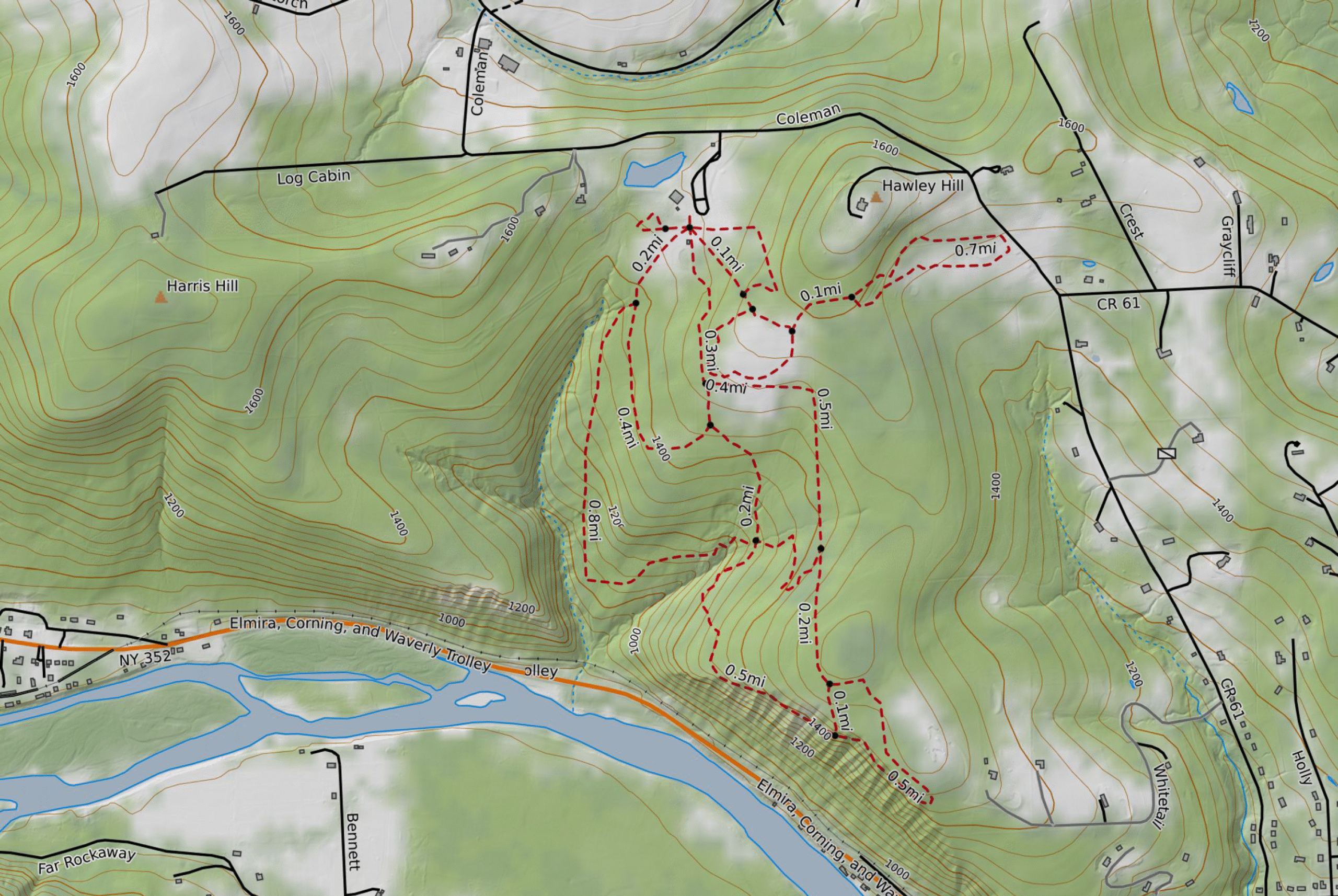
Our hiking trails encompass various habitats found all across New York State, from the meadows of old farmlands to the rounded hills formed by ancient glaciers, complex wetlands including ponds and vernal pools, expansive deciduous forests to the steep slopes and expansive views of Frenchman’s Bluff. Gleason Meadows/Frenchman’s Bluff is the trail system that we are best known for – these are the trails that depart from the Nature Center and are the “main” Tanglewood trails. If you wish to hike with your dog (and we hope that you will!) please drive just two minutes down the road to our dog-friendly trail system, Personius Woods. Snowshoes are available to rent for winter hiking (both adult and kid sizes are available.)
Gleason Meadow Hiking Trails
To hike any of these trails, proceed to the trailhead kiosk. The trails diverge about 30ft past the kiosk. The Blue, Red, and Yellow trails all overlap on what looks like “the main trail” heading straight out into the woods from the trailhead kiosk. (This wide, obvious section of trail is sometimes called “the farm road” or “the forest road” because it is wide and was used as an access road when this property was previously farmed.) The Blue, Red, and Yellow Trail overlap for about ⅓ of a mile and then diverge at the next trail kiosk near the Gibbs memorial bench.
Trail Policies:
Hikers should stay on mowed and designated trails. Timber rattlesnakes are protected on this site, harming them is illegal. While sightings are rare, exercise caution.
Obey posted signs and do not enter any restricted areas. These areas are home to threatened and endangered animals and plants. Help us protect and preserve the species in this ecosystem – do not collect any plants, animals, or other specimens. Do not bring any plants or animals.
Dogs are not permitted on the trails by or leading from the Nature Center, Gleason Meadows/Frenchman’s Bluff (with the exception of service animals). If you wish to hike with your dog (and we hope that you will!) please drive just two minutes down the road to our dog-friendly trail system, Personius Woods.
No bicycles, horses, motorized vehicles, no swimming, fishing, hunting, trapping, boating, skating, or camping are permitted at either site.
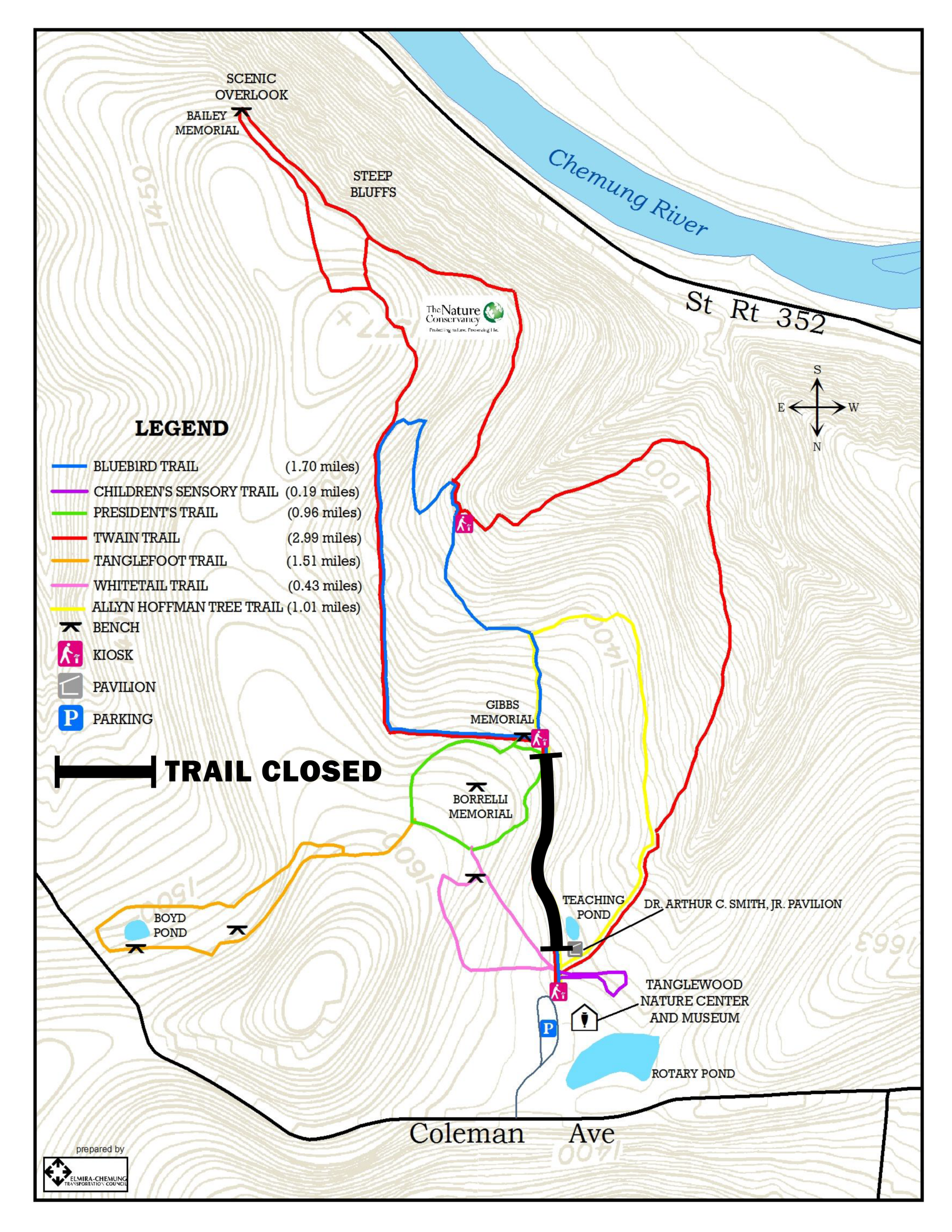
Gleason Meadows/Frenchman’s Bluff is the trail system that we are best known for – these are the trails that depart from the Nature Center and are the “main” Tanglewood trails.
View PDF in new tab
Marked trail closed during Tanglewood Treetop Walkway Construction.
Children’s Trail
Purple trail- 0.19 miles
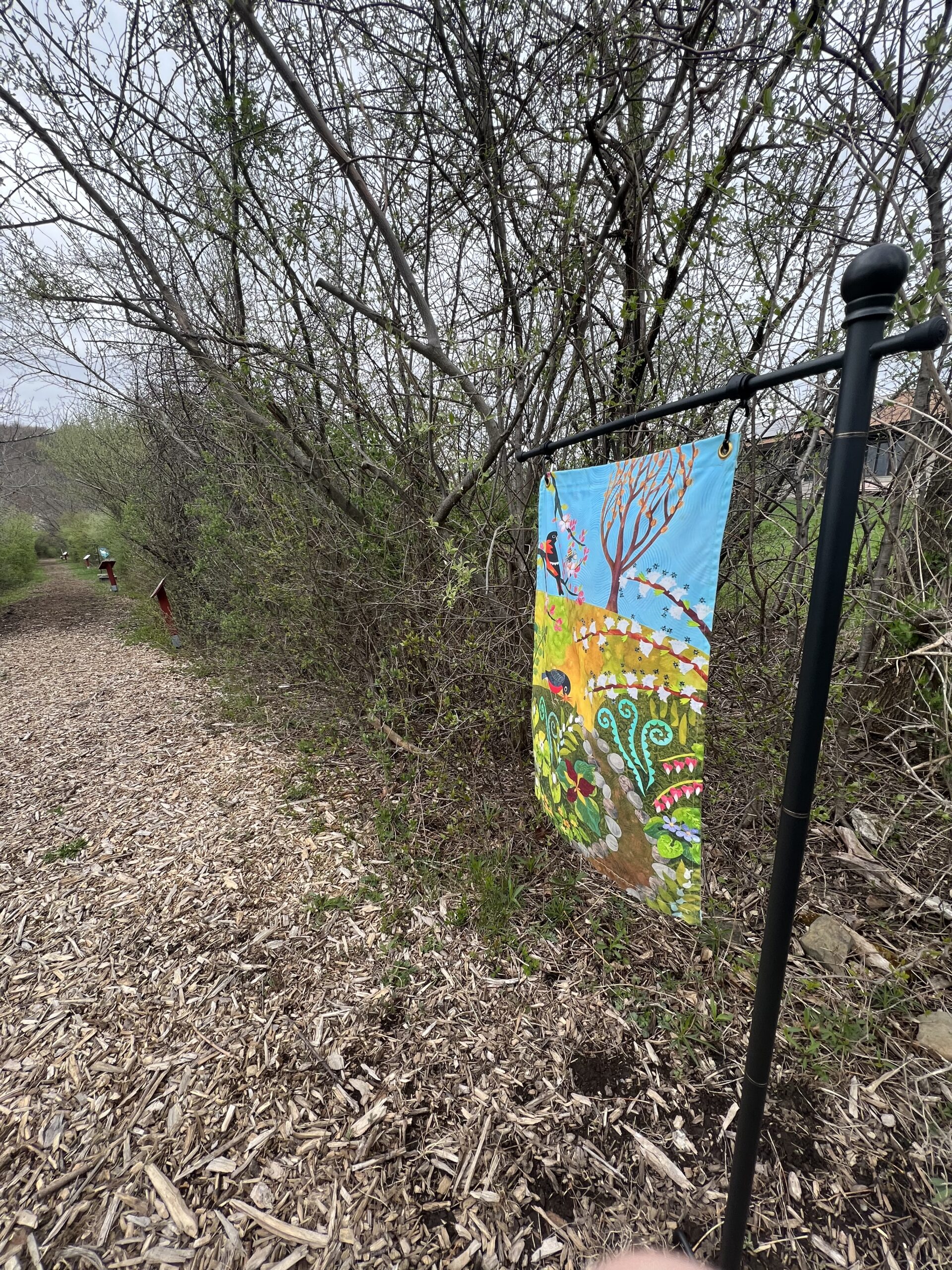
This is a short, family friendly trail. The Purple Trail begins under a trellis about 10ft past the Treehouse. Along the trail is a seasonal storybook, so that families can read as they walk. There are a variety of sensory stations along the way (scented herbs, a box of natural objects with different textures, musical instruments) to explore. There are also imaginative stations with gnome and fairy house. As well as an active areas (an interactive eagle’s nest, free library, and rainbow bridge.) This trail ends immediately next to the starting trellis. The Purple Trail is mulched but it can be a bumpy or a muddy ride depending on recent rainfall.
Hoffman Tree Trail
Yellow Trail – 1.01 miles
This is a fairly short loop trail that departs from the grassy area by our picnic pavilion. It heads into the woods where the footing becomes slightly challenging, then returns to the trailhead after rejoining the Blue/Red Trails. There is roughly 100ft of gentle elevation change. Sections of this trail receive a lot of runoff when there is rainfall on the hill, so the trail can be muddy in parts. The western section of this trail winds through an area densely populated by dead and dying ash trees, so expect fallen limbs and logs.
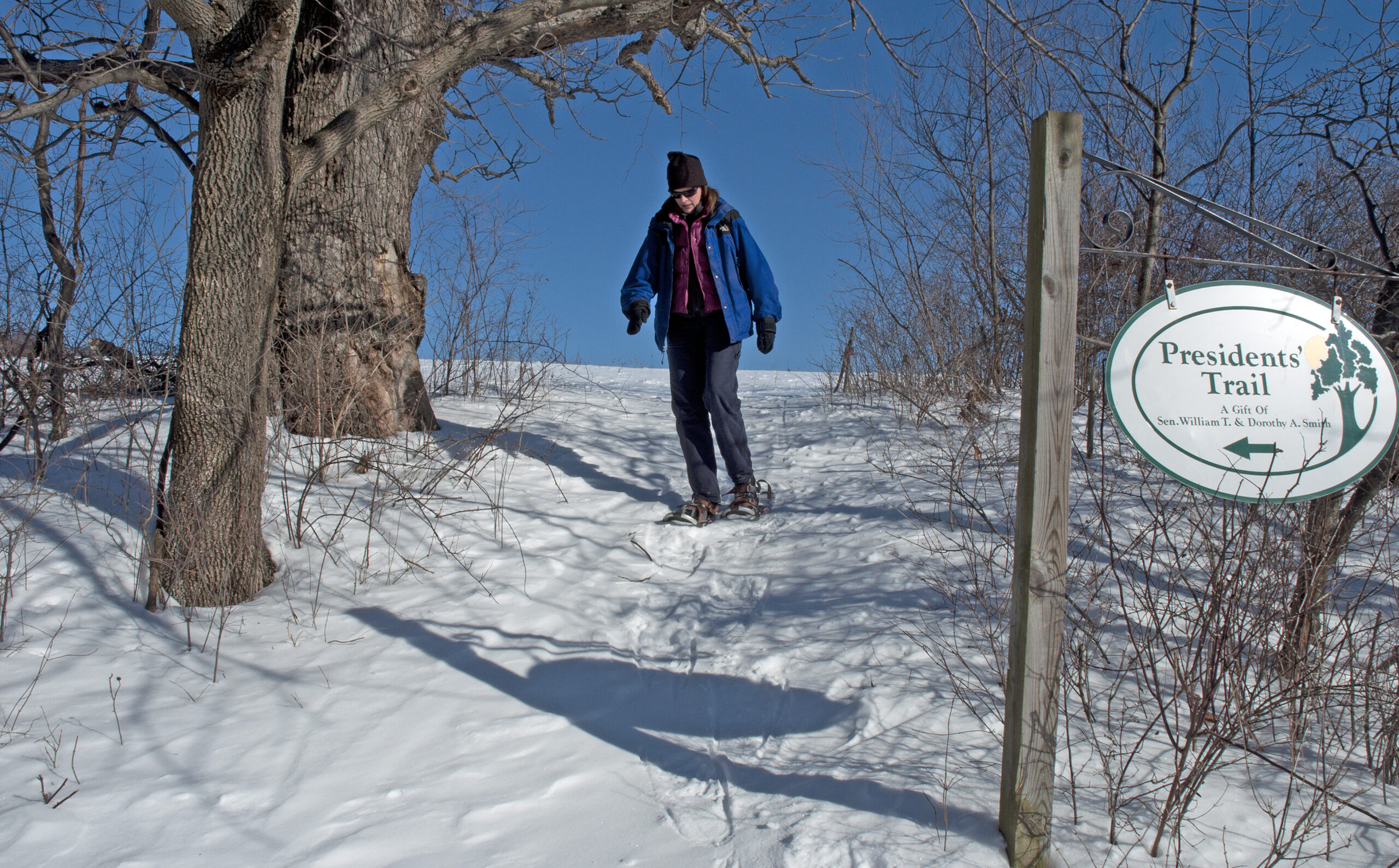
President’s Trail
Green Trail – 0.96 miles
This is a short grassy loop trail with a variety of healthy exercise stations inspired by Elmira hero, Ernie Davis. It must be accessed by hiking either the Pink Trail or the Red/Blue/Yellow Trail. Expect to hike at least a ¼ mile to join the Green Trail. Once there, the trail circles the top of the hill with sweeping views of the nature center, neighboring farms, the valley, and the Chemung River. The Green trail is along the edge of a meadow that is preserved grassland habitat for ground-nesting songbirds like the Meadowlark, Bobolink, and Grasshopper Sparrow. There is little to no shade, however, a connected spur trail leads to the Borrelli memorial bench, a good place for rest and reflection.
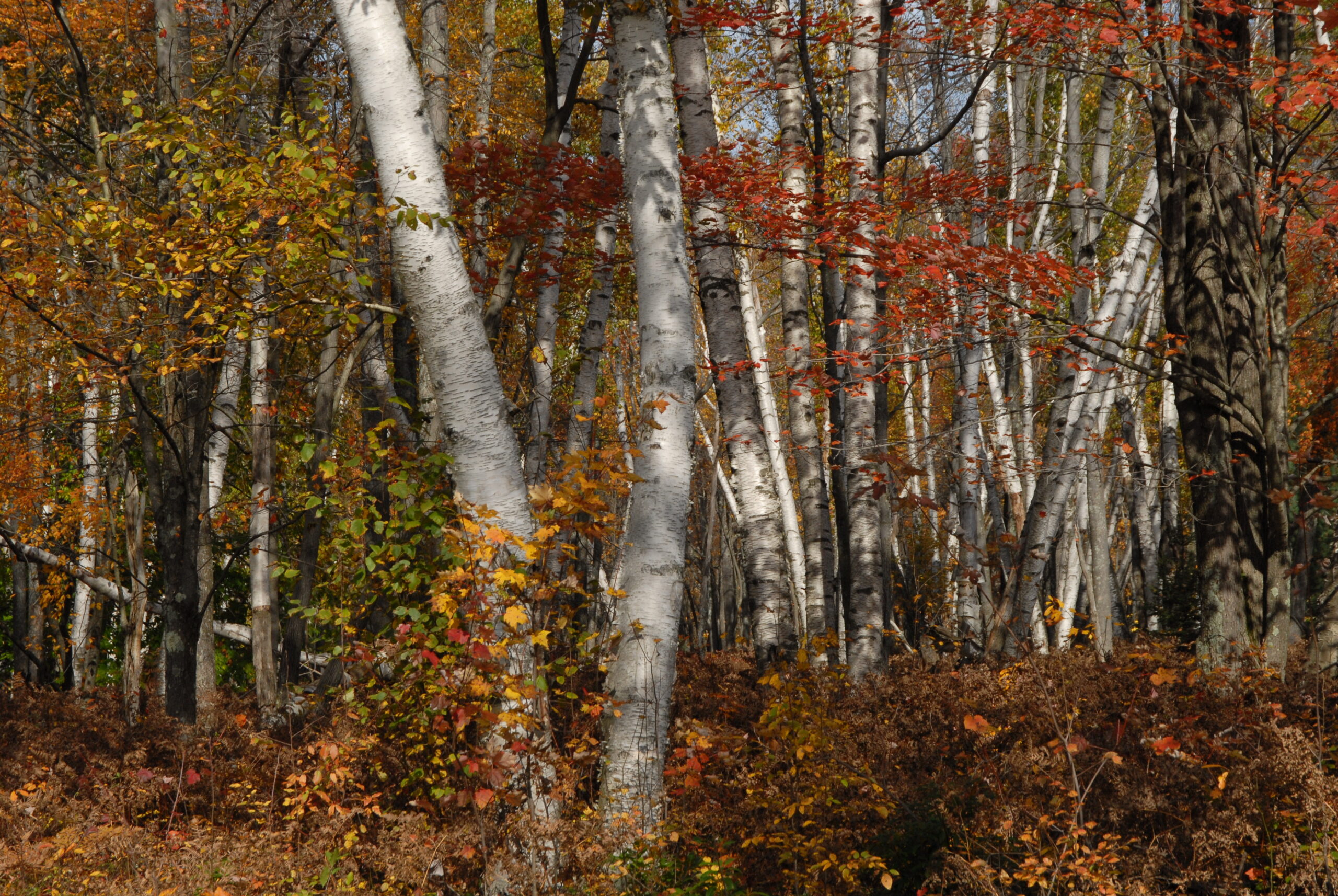
Tanglefoot Trail
Orange Trail – 1.51 miles
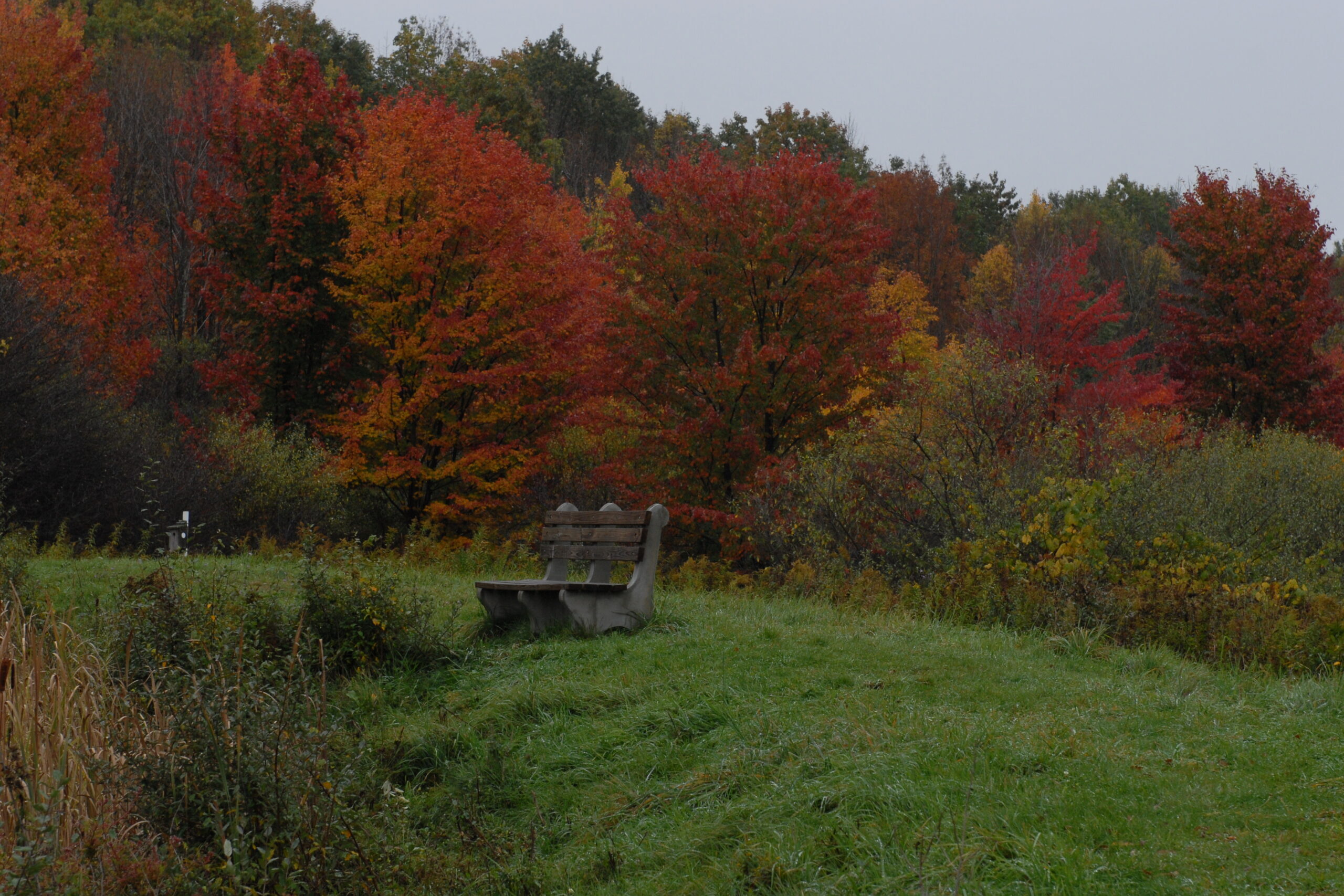
This trail must be accessed by first hiking the Pink/Green Trail, or from the Gibbs Memorial to the Green Trail. Either way, expect to hike at least ½ a mile to join the Orange Trail. Once you are on the Orange trail, hikers will depart from the meadow and head into a forest area, before emerging into by the Boyd Pond. There is a bench and a three-sided shelter which provide a place to rest and picnic. The views from the pond look southeast over the meadows, Chemung river, and distant hills. On a clear day, you can see into neighboring Pennsylvania.
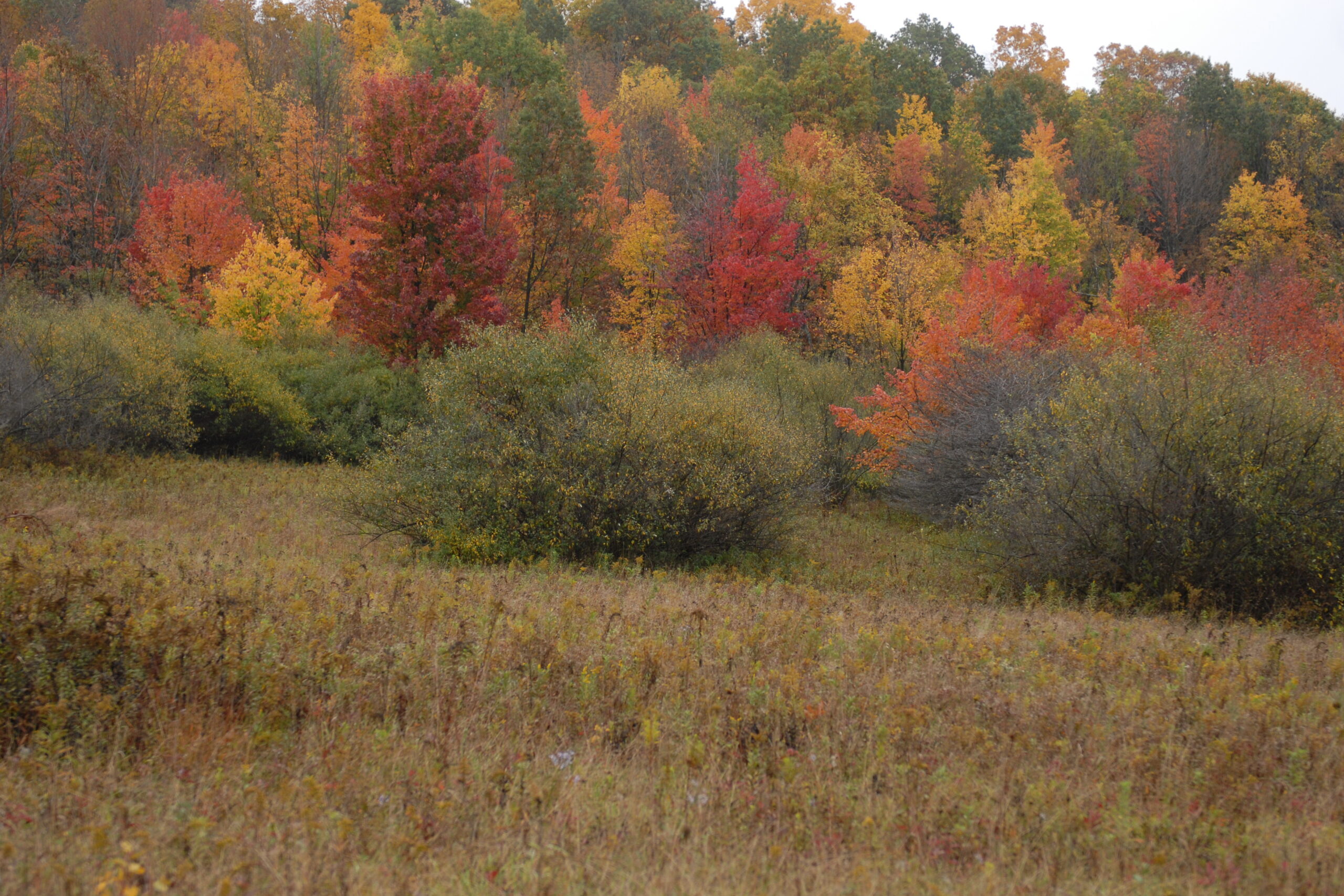
Whitetail Trail
Pink Trail – 0.43 miles
This trail departs almost immediately from behind the Treehouse. It is a mowed trail that traces the perimeter of a maintained grassland habitat. The steepest portion is the western side of the trail, which runs directly uphill, before joining the Green Trail. The more gentle, gradual change in elevation on the eastern side of the trail (the TV tower side) which heads along the hedgerow, meets the edge of the forest, and climbs up towards the bench parallel to the forest. This trail encloses the meadow, so much of the trail is in full sun.
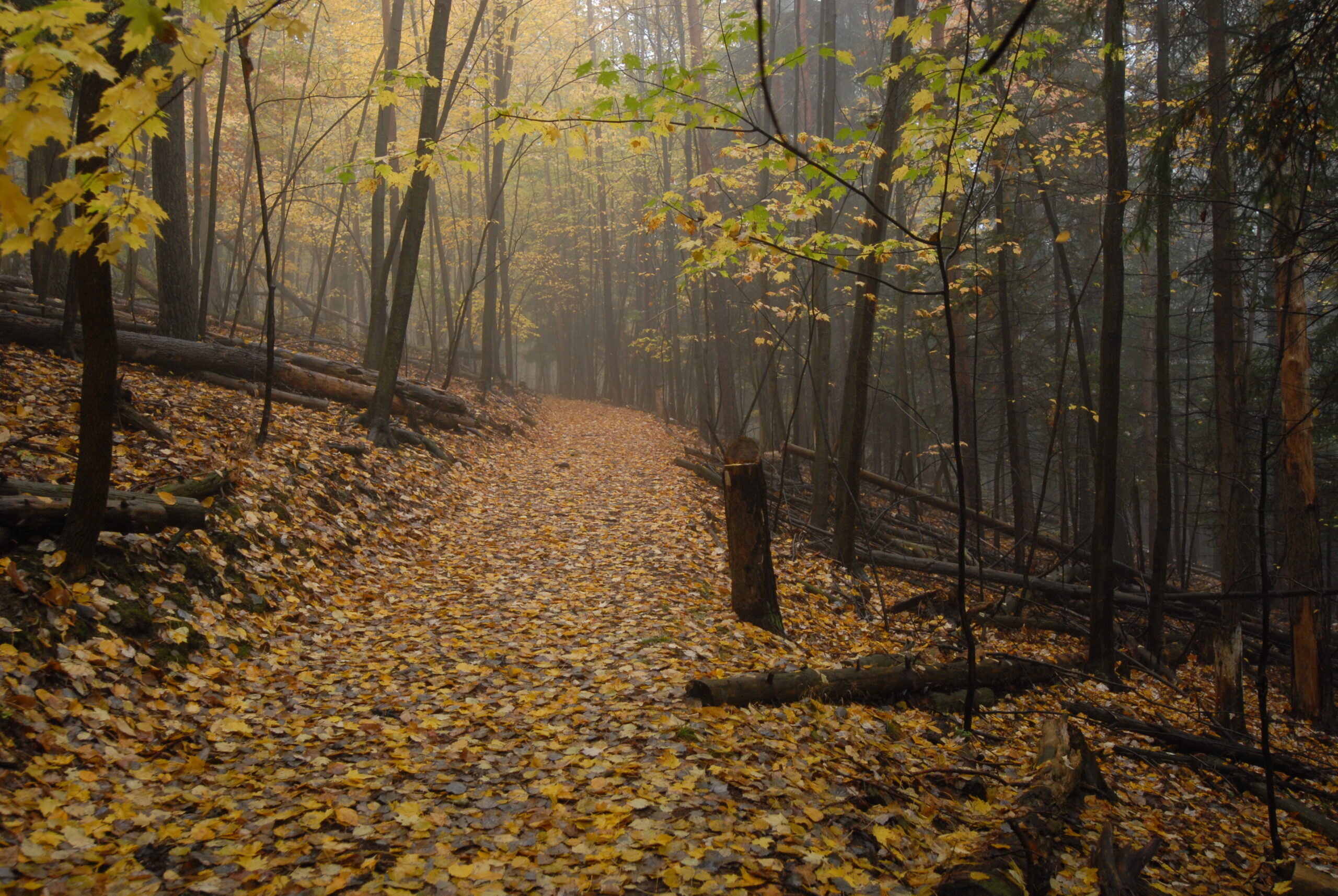
Bluebird Trail
Blue Trail 1.70 miles
The trail is a “lollipop loop” – a long spur trail that connects into a loop away from the trailhead. The Blue, Red, and Yellow Trails overlap on what looks like “the main trail” heading straight out into the woods from the trailhead kiosk. The loop part of the Blue Trail largely overlaps with the Red Trail. After ½ a mile, the Blue Trail splits off downhill through Hemlock and Pine woods. Footing is soft but, short and steep. The trail then briefly reconnects with the Red Trail. There is another kiosk here for reference. Hikers should be careful to follow the correct trail – don’t just follow what, “seems obvious.” As it is very easy to mistakenly join the Red Trail.
Twain Trail
Red Trail – 2.99 miles
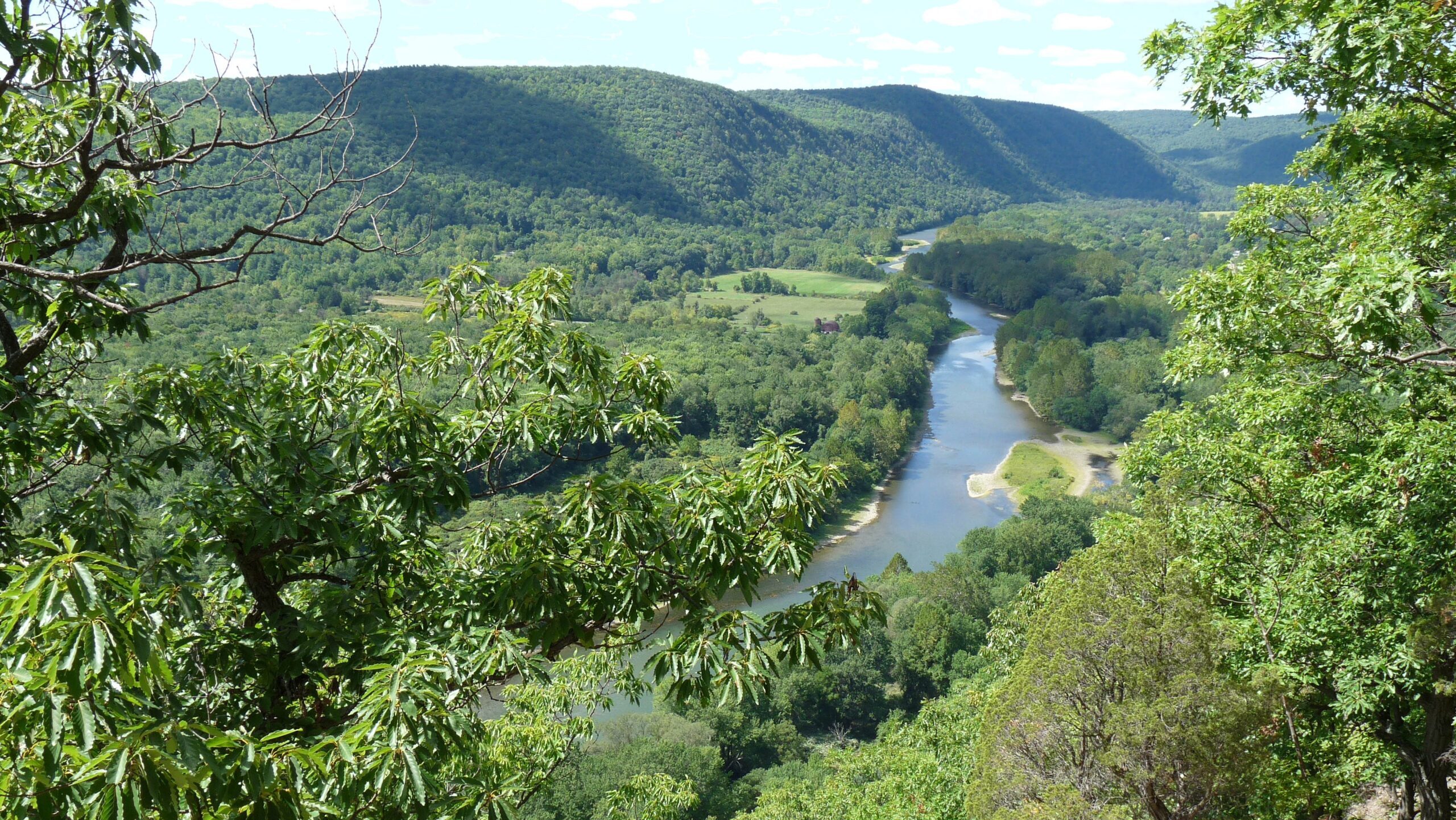
The Red Trail or “Twain Trail” is the longest trail on our property, and has about 500ft of elevation change. The trail runs parallel to steep, rocky cliffs for, so be cautious while hiking.
Hikers looking to get to the scenic overlook quickly or with the least effort should hike the Red trail in a clockwise direction. Going straight out to the kiosk nearest the Gibbs Memorial, turning right, and following the trail south. After the scenic overlook, the trail winds downhill for a long descent close to steep cliffs, then eventually back uphill to rejoin the Yellow Trail.
Hikers who wish to “earn” the scenic overlook should hike the Red Tail in a counterclockwise direction. First begin by following the Yellow/Red Trail with a right at the trailhead and continuing along the meadow by the picnic pavilion and down into the woods. The Red Trail will split off and head further downhill along a rocky trail, before making a sharp left and heading uphill.
Personius Woods Map

View PDF in new tab
Timber Rattlesnakes
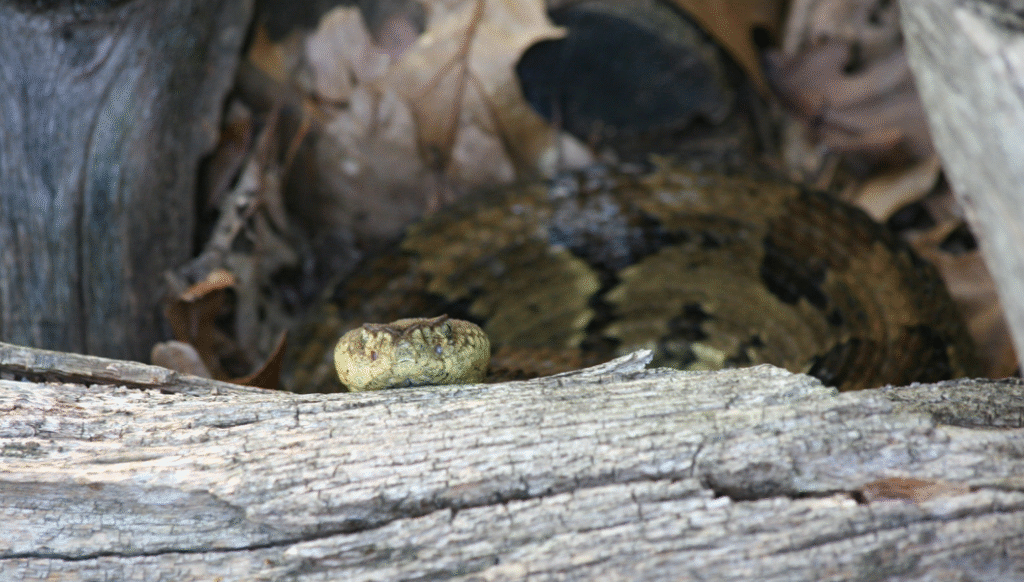
Are there Timber Rattlesnakes at Tanglewood? Rarely, from June through mid-September, we may have Timber Rattlesnakes in the area. If you’re hiking during those months – on our trails or someone else’s – be cautious. Timber Rattlesnakes hibernate from October to May but it’s best to be alert and aware in the spring and fall too. Look carefully where you are walking and look at logs and rocks before stepping over them. Keep children with or behind adults as you hike.
Are they venomous? Yes. They are not aggressive, and will not go out of their way to strike you, but they are considered highly venomous. For a safe visit with a live Timber Rattlesnake, please come view the one living in the Exhibit Hall!
What if I see one? If you see one on Tanglewood’s trails at Gleason Meadows/Frenchman’s Bluff or at Personius Woods, please notify a staff member, and let them know where you saw it, when you saw it, and how big it was.
If you see a Timber Rattlesnake in the road or on another property where they might be in conflict with humans (soccer fields, yards, etc.) you can call dispatch (911) and ask to be connected to someone licensed to move the timber rattlesnake to a safe location.
Are they protected? Timber Rattlesnakes are an endangered species. By law, you are not allowed to touch, move, or harm them. We care deeply about preservation of all wildlife, and want to ensure that they do not go extinct.
What do I do if I get bitten? First, don’t panic. Call 911 immediately. Let them know what happened. You should be treated with anti-venom as soon as possible. Remember: don’t panic and call for help.
Tick Prevention
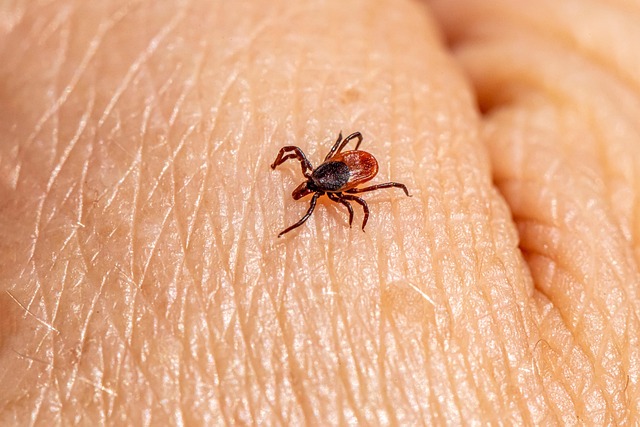
To avoid ticks stay on marked trails and avoid brushing up against vegetation. Ticks aren’t limited to tall grass – you can find them on lawns and in yards too – but staying on marked trails and not bushwhacking will help limit your exposure.
Wear long pants, and when possible tuck pant legs into socks and tuck shirts under belts.
Wear a hat or other head covering to prevent ticks’ access from overhead limbs and leaves.
Ticks can attach themselves to any part of your body, so check hair and scalp, inside the ears, under arms and behind knees.
Check yourself thoroughly each day, all year round. Routinely check pets and administer regular flea and tick prevention as your veterinarian advises.
Read this article to learn more: